
Concrete pool decks
Slip-resistant concrete pool decks designed for Temple's heat and UV exposure, with proper slope for drainage.
Learn more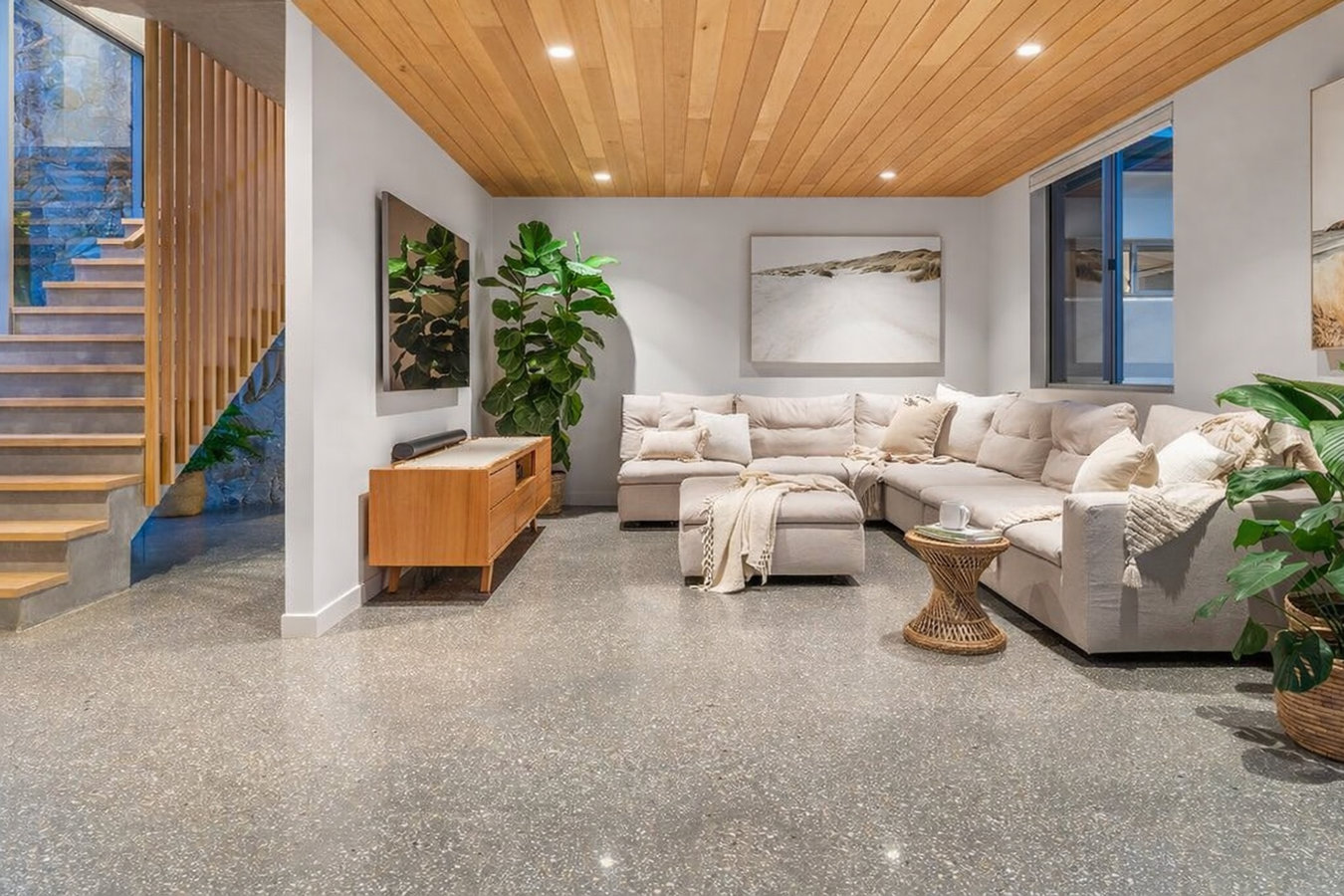
Temple's clay soil cracks floors that are not built right. We install reinforced concrete floors with the base prep and drainage your home needs so they stay solid for decades - not just a few seasons.
Concrete floor installation in Temple, TX starts with removing the old material, grading and compacting the base, and placing reinforcement - then pouring and finishing the slab. Most residential floors take one to three days of active work, with a 28-day curing period before the floor reaches full strength.
In Temple, the ground beneath your floor is the thing that determines whether the slab holds up or cracks. The Blackland Prairie clay under most of the city swells when it rains and shrinks when it dries - sometimes by a significant amount over a year. That constant movement stresses any slab sitting on top of it. A concrete floor installation that skips proper base preparation is a floor that will show cracks within a few years, not a few decades.
If you are pouring a new floor in a garage or workshop, take a look at our garage floor concrete work - it covers the specific considerations for vehicle loads and the sealing options that hold up best in Temple's heat and humidity.
If you have filled cracks in your concrete floor more than once and they keep reopening along the same lines, the problem is the ground moving underneath - not the crack itself. In Temple, this is almost always the clay soil expanding and contracting with the seasons. Patching the surface will not fix a floor being pushed around from below; at some point, replacing the base and the slab is the only lasting solution.
Walk slowly across your concrete floor and notice any spots that feel springy or make a dull sound when tapped. This means the concrete has separated from the base - a gap has formed and the slab is floating over empty space. Left alone, these sections will eventually crack or collapse under normal use, including vehicle weight or heavy furniture.
If water sits in puddles on your garage or patio floor instead of running toward a drain, the floor has either settled unevenly or was never sloped correctly. In Temple, where heavy rain can arrive quickly, a floor that holds water is being damaged slowly - water finds every small crack and makes it larger over time.
Look at where your concrete floor meets the walls, door frames, or other slabs. A gap that was not there before, or a floor that visibly tilts away from the wall, means the slab has shifted. Temple's clay soil swells under one section and not another, and the slab tips. This kind of movement does not fix itself and tends to worsen through each seasonal cycle.
We install new concrete slabs for garages, workshops, covered patios, interior rooms, and utility areas. Every pour starts with proper subgrade work - removing unstable material, compacting the base, and laying gravel before any concrete is placed. We also include control joints in every slab, which give the concrete a planned place to flex as Temple's clay moves beneath it. Without control joints, cracking happens wherever the concrete decides - which is rarely convenient.
For finish options, a broom-finished slab is the most popular choice for garages and utility areas - it gives grip and is easy to clean for decades. For indoor rooms or finished spaces, a troweled surface or polished finish looks closer to stone and wipes down cleanly. We also handle concrete overlay work for Temple homes with older slabs that do not need full replacement. Homeowners who want to go further often pair floor work with concrete pool decks or other flatwork when the crew is already on site.
Best for garages, workshops, covered patios, and utility areas that need a fresh, reinforced concrete base.
Suits homeowners who want a clean, polished, or stained concrete floor inside a home - lower maintenance than wood or tile.
For older Temple slabs that are structurally sound but cracked or worn on the surface - a cost-effective alternative to full replacement.
The most common finish for garages and driveways - textured for grip, durable, and easy to maintain in Central Texas weather.
For finished interior spaces where aesthetics matter - durable decorative finishes that outperform paint or epoxy over time.
Recommended for any Temple floor where moisture resistance matters - applied after curing to extend slab life in Central Texas humidity.
Temple is built on Blackland Prairie clay - heavy, dark soil that is considered some of the most active in Texas. It swells when it gets wet and shrinks when it dries, and it does this on a seasonal cycle that repeats every year. For concrete floors, that means the ground underneath is always moving, and a slab without adequate reinforcement and base preparation will show it. Many of Temple's older homes - particularly those built in the 1960s through 1980s - have original slabs that were poured thinner than today's standards, without modern mesh reinforcement. After decades of Bell County soil movement, those floors often need more than a patch.
Summer heat adds another challenge. Temple regularly hits 100 degrees or above from June through August, and extreme heat causes freshly poured concrete to dry too fast on the surface before the interior has cured properly - a condition that causes surface cracking and a weaker finished slab. Experienced local crews schedule pours for early morning and use curing protection to manage this. We work throughout Temple and the surrounding area, including homes in Killeen and Waco, where the same Blackland Prairie soil conditions apply.
We reply within one business day. We will ask a few questions about the space - whether it is interior or exterior, if there is an existing floor to remove, and the approximate size. Most Temple contractors schedule a free on-site visit before giving a written quote, because the soil and base condition underneath your floor matters a lot here.
During the visit the contractor checks the existing base, looks for drainage issues, and confirms what preparation is needed. If a permit is required - which it usually is for new slabs in Temple - your contractor handles the application with the City of Temple Development Services. This step adds a few days to the timeline but protects you through city inspections.
Before the concrete is placed, the old floor is removed if needed, soil is graded and compacted, and gravel base material is laid. In Temple's summer heat, experienced crews start pours early - often before 7 a.m. - and use curing compounds to keep fresh concrete from drying too fast. The pour itself usually takes a few hours for a standard residential area.
You can walk on the floor carefully after 24 to 48 hours and move light items back after a week, but full strength takes 28 days. Once cured, the city inspector signs off on permitted work. Your contractor should walk the finished floor with you and explain the control joints, finish, and sealing recommendations before wrapping up.
Free on-site estimate. Written quote before work starts. We handle the City of Temple permit process so you do not have to.
(254) 791-8108The Blackland Prairie clay under most Temple homes requires proper compaction, gravel base material, and reinforcement before any concrete is placed. We do not skip these steps - they are what separates a floor that lasts 30 years from one that cracks in the first three.
Temple averages around 35 inches of rain per year, often in intense bursts. Every floor we install is sloped and positioned so water drains where it should - not back toward your foundation or pooling across the surface.
We pull the City of Temple building permit and schedule inspections as part of the job. Permitted concrete work has been reviewed by a city inspector, which protects you if you ever sell your home or need to file an insurance claim after a weather event.
Before we touch your floor, you have a written estimate covering demolition, base prep, the pour, and the finish you chose. For technical guidance on floor installation standards, the Portland Cement Association publishes the guidelines local contractors should be following.
When local soil knowledge, proper drainage planning, and city-permitted work all come together, the result is a concrete floor that stays level and solid through decades of Temple weather - not one that needs patching every other year.
Concrete floor work in Temple is subject to permitting requirements through City of Temple Development Services. For industry standards on floor construction and curing, the American Society of Concrete Contractors is a useful reference.
Slip-resistant concrete pool decks designed for Temple's heat and UV exposure, with proper slope for drainage.
Learn moreGarage-specific slab pours and resurfacing for Temple homes, built to handle vehicle loads and clay soil movement.
Learn moreSummer slots fill fast - lock in your project date before the heat sets in and schedule gaps close for the season.